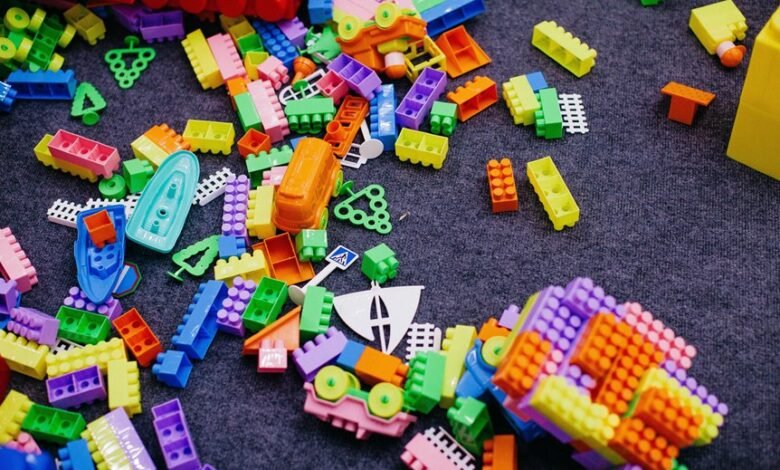
Prokaihaz-based toys present a balancing act between performance and safety. The materials promise mechanical resilience and tactile variety while aiming for durable, child-friendly experiences. Standardized testing distinguishes hazard potential from play value, guiding designs that endure use without compromising safety. Modular construction enables scalable production and repair. Yet questions remain about lifecycle impacts and end-of-life options, prompting continued scrutiny of sourcing, transparency, and real-world outcomes. This tension invites further examination of how such choices shape everyday toy use.
What Is Prokaihaz and Why It Matters for Kids’ Toys
Prokaihaz, a term used to describe a class of materials intended for use in consumer products, encompasses compounds and polymers selected for their specific mechanical and chemical properties.
The discussion centers on defining Prokaihaz properties and their relevance to performance, durability, and user experience.
Critical emphasis is placed on standardized Toy safety testing to ensure reliable, objective assessments and child-safe design conclusions.
How Prokaihaz Holds up to Little Explorers (Safety, Durability, and Testing)
How do Prokaihaz-based toys perform under the pressures of daily play, and what safeguards ensure their ongoing safety and reliability?
The assessment treats materials and construction with methodological rigor, separating hazard potential from functional performance.
Findings emphasize play safety and durability testing as baseline indicators, noting consistent pass rates, designed tolerances, and standardized failure thresholds that guide quality control and ongoing material refinement.
Prokaihaz in Play: Best Toy Ideas and Real-World Examples
Prokaihaz-based toys offer a range of practical applications that align with observed safety and durability benchmarks.
The discussion identifies concrete toy ideas leveraging versatile properties, including modular construction, impact resistance, and tactile variety.
Real-world examples illustrate scalable production and consumer accessibility.
Emphasis remains on rigorous safety testing, ensuring consistent performance while preserving playful materials to support independent exploration and flexible, liberty-minded play.
Eco-Friendly Advantages: Sustainability, Sourcing, and End-Of-Life Options
Eco-friendly advantages center on reducing environmental footprint through sustainable materials, responsible sourcing, and end-of-life management. The analysis assesses material lifecycles, supplier transparency, and waste pathways, emphasizing measurable outcomes over rhetoric. Eco friendly practices enable informed consumer choice and accountability, while sourcing sustainability principles guide procurement toward lower embodied energy and longer product life, aligning with regulatory expectations and market shifts.
Frequently Asked Questions
Is Prokaihaz Safe for Children With Allergies?
Is Prokaihaz toxicity uncertain; current data do not confirm safety for all allergy profiles. The analysis notes potential risks, advocating cautious use. Is Prokaihaz toxicity considered? Allergy safe testing remains incomplete, requiring rigorous, independent evaluation before widespread adoption.
Can Prokaihaz Toys Be Recycled or Repurposed?
Prokaihaz toys can be recycled through specialized programs, though general curbside options are limited. Analytical assessment shows valid recycling options and repurposing ideas exist, emphasizing material integrity, end-of-life management, and adherence to safety standards for autonomous reuse.
How Does Prokaihaz Affect Toy Pricing for Parents?
Prokaihaz pricing influences toy cost factors through material volatility and supply dynamics, subtly raising base prices. In analysis, the pricing is not arbitrary but calibrated; parents experience amplified costs, while the market signals cost-conscious consumption and measured freedom.
Are There Age-Specific Prokaihaz Toy Recommendations?
Age-appropriate safety and allergen considerations guide recommendations; there are age-specific prokaihaz toy guidance, emphasizing materials suitability, choking hazard avoidance, and clear labeling, enabling consumers to evaluate options while preserving autonomy and informed choice.
What Certifications Verify Prokaihaz Safety Claims?
“Look before you leap.” Certification verification processes for Prokaihaz toys involve independent labs, material attestations, and compliance with safety standards; Allergy safety is assessed through rigorous allergen audits. Objective evaluation remains essential for audiences seeking freedom and transparency.
Conclusion
Prokaihaz emerges as a balanced material choice for children’s toys, offering measurable performance without compromising safety. Rigorous testing and modular design support durability, repairability, and predictable behavior under use. Transparent sourcing and end‑of‑life options address environmental concerns while maintaining play value. Real‑world applications demonstrate practical viability across ages and activities. While challenges in resin formulation and recyclability persist, the material’s strengths outweigh drawbacks. In short, it’s a solid bet for thoughtful, safe, and sustainable toy development. It’s a springboard rather than a finish line.