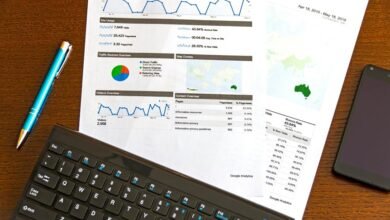
The Telecom Data Tracker presents a detailed examination of six specific phone numbers, revealing patterns in communication behavior. By analyzing call frequencies and peak usage times, valuable insights into user preferences emerge. These findings underscore the importance of understanding data consumption trends. The implications for telecom providers are significant, suggesting potential areas for service enhancement. However, the complexities of user behavior demand a closer look to fully grasp their impact on service strategies.
Overview of the Selected Phone Numbers
The analysis of selected phone numbers reveals critical insights into usage patterns and service provider performance.
By examining user behavior, distinct call patterns emerge, indicating peak usage times and preferred communication methods.
These patterns can inform strategic decisions for enhancing service offerings, ultimately empowering users with greater choice and flexibility in their telecommunications experience.
Understanding these dynamics is essential for optimizing user satisfaction and engagement.
Insights Into Telecom Data Usage
While many users rely on data services for communication and information access, a nuanced understanding of telecom data usage reveals significant variations in consumption patterns across different demographics.
Data consumption metrics indicate diverse user behavior, influencing network performance and service quality. Factors such as call duration and the choice of data plans significantly impact overall telecom efficiency and user satisfaction.
Trends in Telecommunications Activity
Telecommunications activity is increasingly characterized by rapid technological advancements and shifting consumer behaviors.
Telecom innovations, such as 5G deployment and enhanced data analytics, are reshaping user behavior, driving demand for seamless connectivity and personalized services.
This evolution reflects a growing consumer desire for freedom and flexibility in communication, prompting service providers to adapt strategies that align with the dynamic landscape of user expectations and technological capabilities.
Conclusion
In conclusion, the analysis of the selected phone numbers reveals a tapestry of communication behavior woven from distinct usage patterns and peak activity times. This intricate web of data highlights the evolving landscape of consumer preferences, akin to a shifting tide that telecom providers must navigate. By harnessing these insights, providers can fine-tune their strategies, ensuring they remain attuned to the rhythmic pulse of user needs, ultimately enhancing satisfaction in an ever-changing digital ecosystem.