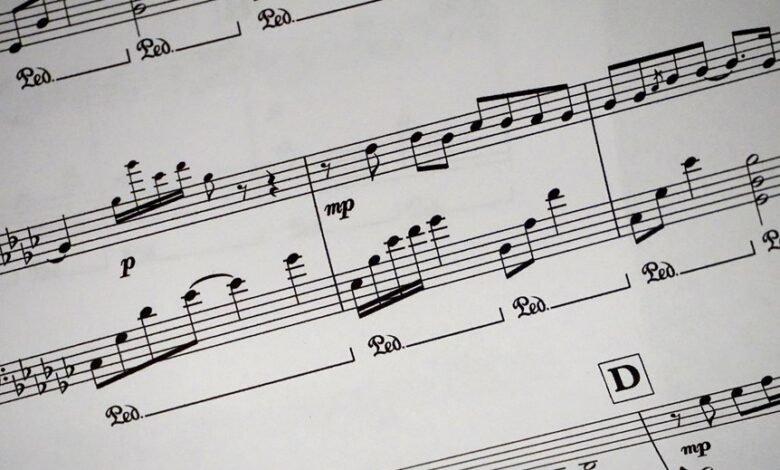
Minor-key songs often carry a bittersweet, dramatic edge, produced by careful use of harmony, melody, and rhythm. The discussion examines how stepwise turns contrast with bold leaps, how progressions create recognizable emotional arcs, and how dynamic textures shape perception. Rhythm and tempo logic set the pace for tension and release, while modulation and cadences broaden expressive options. The result is a cohesive framework that invites further exploration into why these pieces resonate and how composers craft their distinctive moods.
Why Minor Keys Sound Bittersweet and Dramatic
Minor keys convey a tonal tension that readers often perceive as bittersweet or dramatic. In this analysis, the tonal framework shifts from major brightness to minor gravity, producing nuanced emotion. The texture reveals bittersweet textures and contrasts that linger, while melodic motion often emphasizes dramatic contrasts between steps and leaps. This combination clarifies why moods lean toward introspection and resolve.
How Common Progressions Shape Mood in Famous Minor-Key Hits
Common progressions in minor-key hits shape mood by outlining predictable emotional trajectories that listeners recognize across genres. They reveal how contrasting minor keys and common stepwise harmonies produce tension, release, and bittersweet resonance. Tempo contrasts intensify these effects, allowing sudden drives or reflective lulls. The patterning guides perception toward melancholy nuance, while still supporting broad stylistic freedom within familiar tonal frameworks.
What Listeners Should Listen For: Rhythm, Tempo, and Dynamics in Minor Tunes
Listeners should notice how rhythm and tempo shape the emotional contour of minor tunes, signaling tension, propulsion, or restraint before melodic content even enters.
The analysis emphasizes rhythm details and tempo cues as primary conveyors of mood, guiding listener perception independent of lyric meaning.
Dynamics interact with emphasis, but rhythm and tempo frame anticipation, release, and drive across diverse minor-key textures.
How Composers Twist Harmony: Modulation, Mode Shifts, and Cadences
Composers increasingly bend tonal center by manipulating harmony through modulation, modal reinterpretation, and carefully crafted cadences. They employ modulation techniques to shift keys or modes, creating new tonal centers while preserving cohesion.
Mode shifts redefine scale families within a piece, expanding expressive options. Cadence variety signals closure or anticipation, guiding listener perception and emotional trajectory with restrained, purposeful harmonic motion.
Frequently Asked Questions
Do Minor-Key Songs Use Shared Melodic Motifs Across Genres?
Yes, minor-key songs often exhibit motif sharing across genres, though patterns vary; analysts note cross genreibridge? influences where composers reuse or adapt motifs to evoke shared emotional textures while preserving distinct stylistic identities.
How Do Recording Studios Influence the Mood of Minor Tunes?
Studio acoustics shape ambient mood in minor tunes; microphone placement, orchestration choices, and tempo decisions influence vocal timbre, harmonic tension, and rhythmic feel. Mixing decisions and reverb usage align recording chain with production goals, atmospheric performance space, and genre blending.
Are Minor Keys More Common in Popular Movie Soundtracks?
Yes, minor keys appear frequently in film scores, though not exclusively; cineastas favor expressive minor key harmonies to heighten drama, while composers exploit rhythmic tension to shape pacing and emotional arc within soundtracks.
What Role Do Orchestration Choices Play in Minor Pieces?
Silence stretches like dusk over a score; orchestration choices shape mood. They craft orchestration textures and harmonic color, defining tension, warmth, or grit, guiding listener perception while preserving freedom in expressive contrast within minor pieces.
Can Vocal Delivery Change the Perceived Sadness of Minor Keys?
Yes, vocal delivery can alter perceived sadness in minor keys. Vocal timbre and lyric delivery shape emotional interpretation by highlighting timbral darkness, dynamic contrast, and phrasing, influencing listeners’ sympathetic engagement with melodic minor mood without altering harmonic structure.
Conclusion
In exploring famous minor-key tunes, the analysis reveals how tonal color and structural choices shape mood with precision. Minor keys layer bittersweet and dramatic effects through careful melody, harmony, rhythm, and dynamics, while progression choices provide recognizable emotional trajectories. Modulations and mode shifts broaden expressive range, and cadences anchor listeners in cohesive tonal journeys. The result is a music-theory blueprint so powerful it could haunt the ear—an unforgettable, almost supernatural craft that keeps audiences returning for more.